Chinese culture doesn’t condense easily into a top-ten list, mostly because ‘Chinese culture’ is really dozens of regional traditions sharing a script and a few core ideas. Still, a handful of features show up again and again, in the language itself and in daily life, and they’re worth understanding whether you’re learning Mandarin or just curious.
Here’s a tour through the pieces that tend to surprise newcomers most.
Mandarin uses four main tones, and the same syllable can mean completely different things depending on pitch. ‘Ma’ said flat, rising, dipping-then-rising, or falling can mean mother, hemp, horse, or scold. This isn’t decoration; it’s core grammar, which is why tone drilling matters so much more in Mandarin than pronunciation does in most European languages.
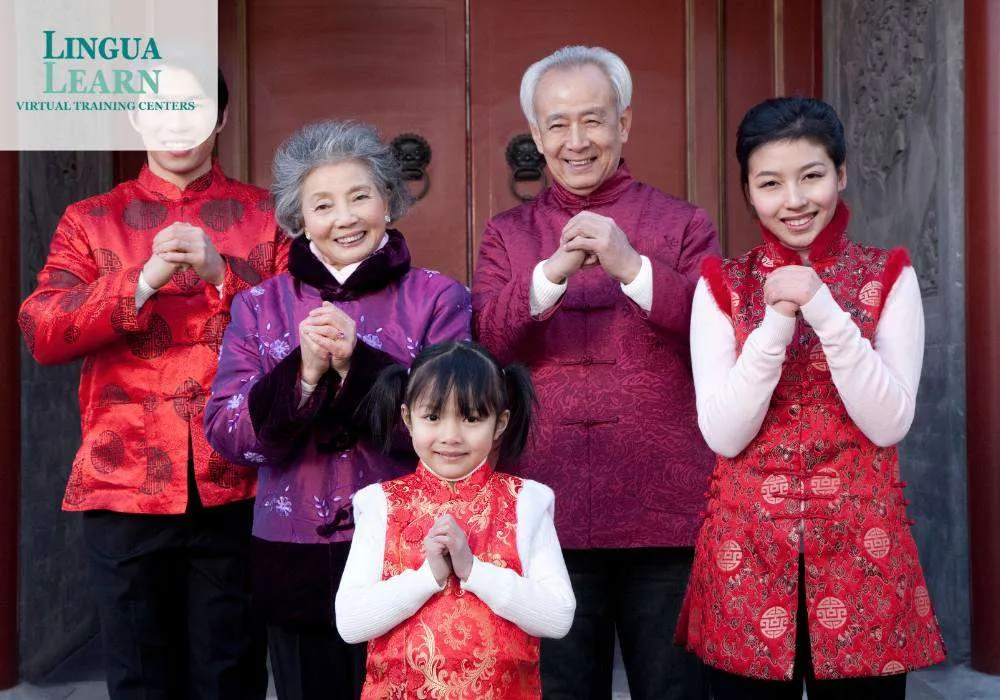
The date shifts every year because it follows the lunar calendar rather than the Gregorian one most of the world uses. Each year is also tied to one of twelve zodiac animals, which shapes everything from marketing campaigns to how people talk about personality traits tied to someone’s birth year.
Formal tea ceremonies exist, but everyday tea culture is more about ritual hospitality; offering tea to a guest, refilling a cup before it’s empty, specific etiquette around pouring for elders first. The variety matters too; pu-erh, oolong, and green tea aren’t interchangeable, each tied to different regions and occasions.
Brush strokes, stroke order, and composition are studied the way Western traditions study painting. A well-executed character carries aesthetic weight independent of what word it spells, which is part of why calligraphy scrolls are common as gifts and home decoration.
Mianzi, roughly translated as social standing or dignity, influences how criticism gets delivered, how business negotiations unfold, and how conflict gets avoided in public. Causing someone to ‘lose face’ in front of others is taken seriously, and understanding this concept explains a lot of behavior that otherwise seems indirect to Western observers.
Cantonese, Shanghainese, and Mandarin aren’t accents of the same language; they’re often mutually unintelligible when spoken, despite sharing a writing system. Cuisine splits the same way; Sichuan’s heat, Cantonese’s seafood focus, and northern China’s wheat-based staples reflect genuinely different culinary traditions under one flag.
Yerevan State Linguistic University has hosted a Confucius Institute since 2008, and enrollment in its Chinese courses climbed from roughly 120 students in 2014 to more than 300 in recent years. Brusov State University runs its own Confucius Institute as well, and Yerevan opened a Chinese-Armenian Friendship School in 2018. Chinese isn’t a niche interest here anymore; it’s a growing, institutionally backed option.
None of this covers everything, since a country with this much regional variation resists being fully summarized. But these seven threads explain more about how daily life actually works than most surface-level travel guides do.
If this has you curious about starting Mandarin itself, Lingua Learn’s Mandarin A1.1 beginner course starts with the tone system covered above before moving into practical conversation. Our piece on click languages is worth a look too if unusual sound systems are what drew you in here.
 HY
 EN