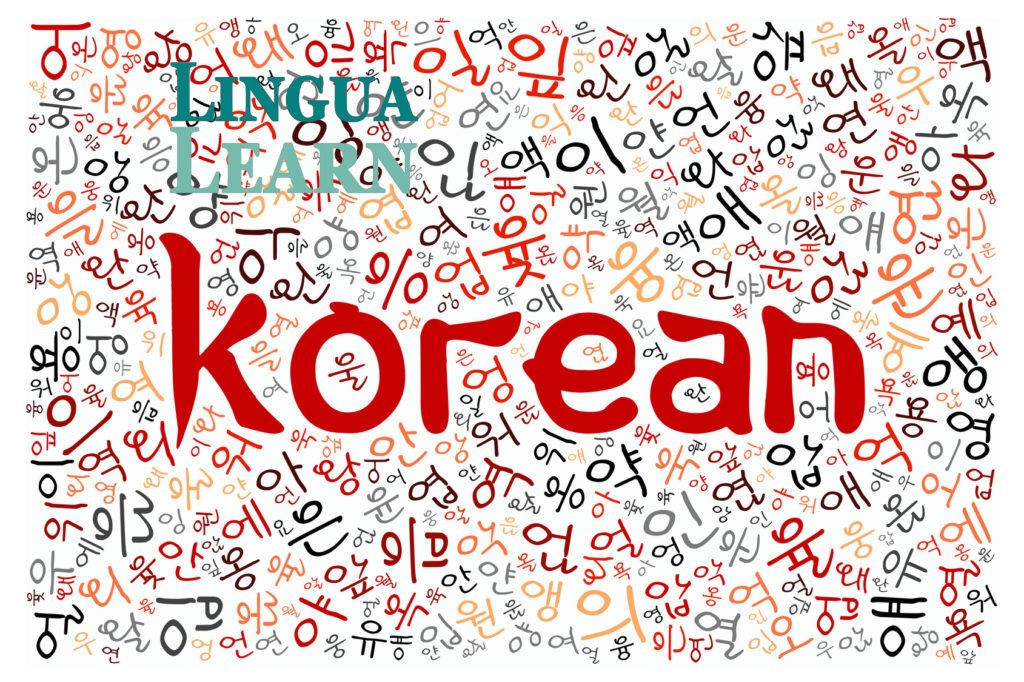
Korean has had a massive surge in popularity over the last few years. K-dramas, K-pop, Korean food culture, and a growing interest in South Korea as a destination have pushed a lot of people toward the same question: is Korean actually easy to learn?
The honest answer depends on what you mean by easy, and where you’re starting from. Korean has parts that will genuinely surprise you with how approachable they are, and parts that demand real, sustained effort. Here’s a realistic breakdown.
The script intimidates most beginners before they’ve even started, since Hangul looks completely foreign to anyone used to a Latin alphabet. But it was deliberately designed in the 15th century to be simple and logical, and that design still holds up. Most learners can read and write Hangul accurately within a week or two of focused practice, which is a far faster turnaround than the script learning curve in Arabic or Mandarin.
This is where Korean gets genuinely hard. English follows Subject-Verb-Object order; Korean follows Subject-Object-Verb, with the verb always landing at the end of the sentence. So where English says “I eat rice,” Korean structures it closer to “I rice eat.” Expect the first few months to feel like a mental rewiring exercise. On top of that, Korean uses different speech levels depending on who you’re talking to, formal, informal, and honorific registers each carry their own conjugation patterns.
Korean has sound distinctions that don’t exist in English, including aspirated and unaspirated consonant pairs that change a word’s meaning entirely. Getting those right takes practice, ideally with a teacher who can catch sounds you’re accidentally blending. The upside is that once you learn how each letter sounds, that sound stays consistent across every word; Korean has far fewer pronunciation exceptions than English does.
Outside of English loanwords (커피, keopi, coffee; 버스, beoseu, bus), Korean vocabulary shares almost nothing with European languages, so most of it has to be learned from scratch. That’s a real time cost compared to Spanish or French, where Latin roots hand you a head start. The shortcut is that Korean vocabulary is built from recognizable internal patterns, so once those click, new words get easier to guess.
Few languages have as much genuinely enjoyable learner content available as Korean does right now. Dramas, variety shows, and music give you a reason to stay immersed outside of formal study sessions. Learners who pair structured lessons with regular exposure to Korean media tend to progress noticeably faster than those relying on textbook study alone.
The US Foreign Service Institute classifies Korean as Category IV, its hardest tier for English speakers, estimating roughly 2,200 class hours to reach professional proficiency. That number sounds daunting, but basic conversational ability arrives well before that point; most learners with consistent practice and proper instruction can hold simple conversations within 6 to 12 months.
This isn’t just a global trend passing through. Yerevan’s Brusov University runs a dedicated Korean Language and Culture Center with a native-speaking instructor, Armenia has taken part in the K-POP World Festival, and trade between Armenia and South Korea has grown sharply in recent years. South Korea is also moving to open an embassy in Armenia, which tends to bring more exchange programs and institutional interest with it.
So, is Korean easy to learn? Hangul and pronunciation are more approachable than most people assume. Grammar and vocabulary genuinely take time and consistent effort. Whether the whole thing feels easy or hard mostly comes down to how regularly you practice and whether you’ve got solid guidance along the way.
If you’re ready to start, Lingua Learn’s Korean A1.1 beginner course walks you through Hangul basics all the way to real conversation, with instructors who can catch the pronunciation habits self-study usually misses.
 HY
 EN